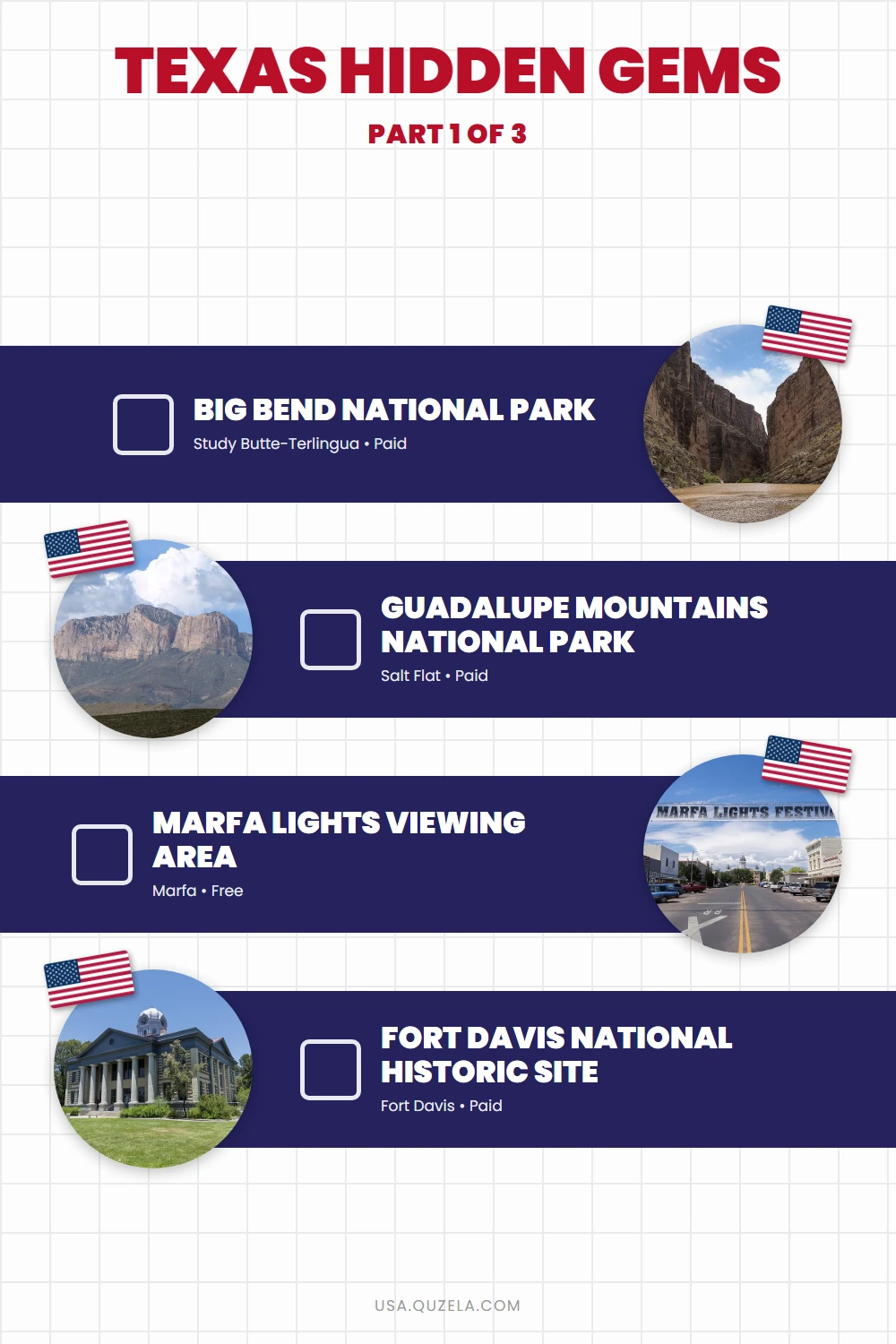
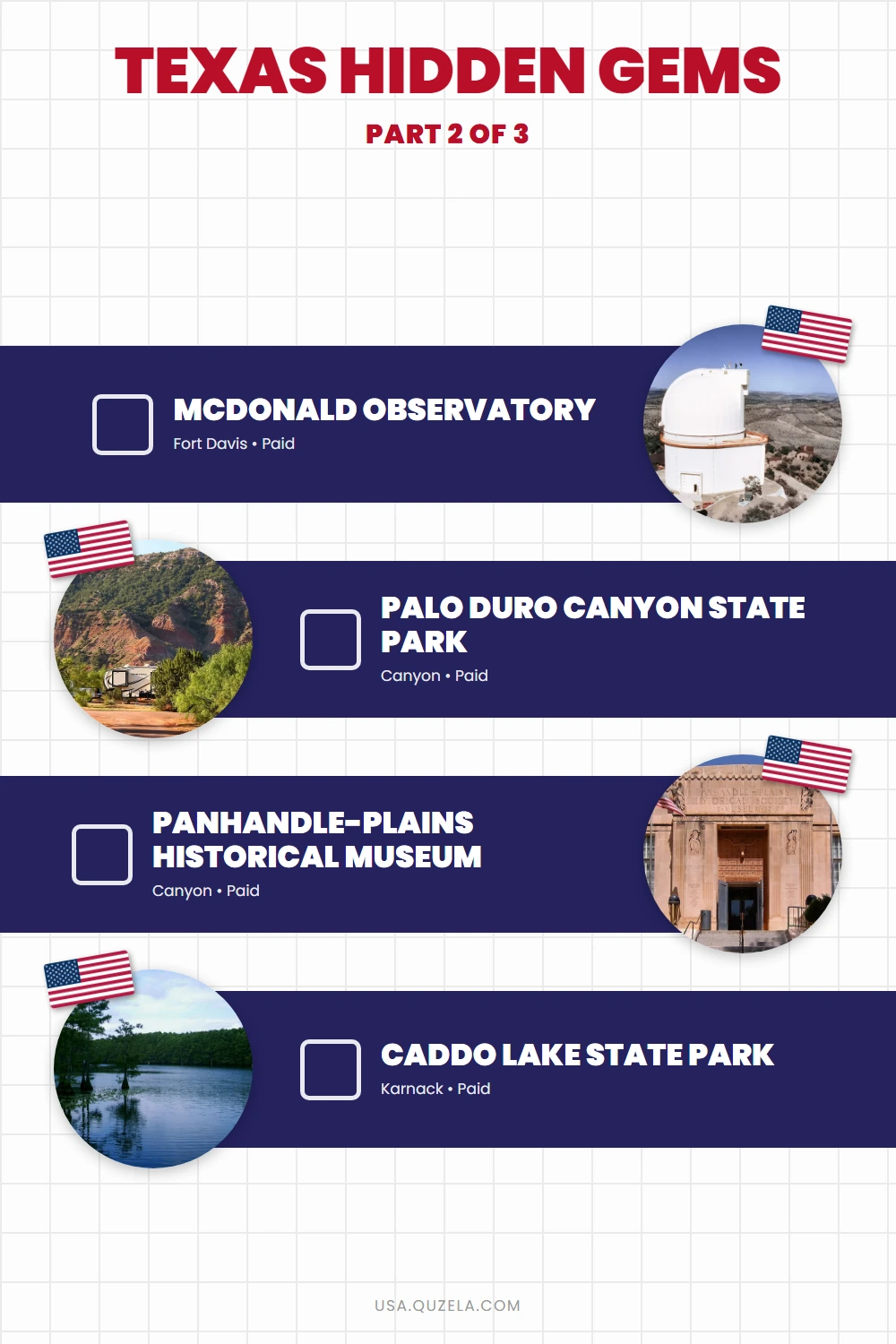
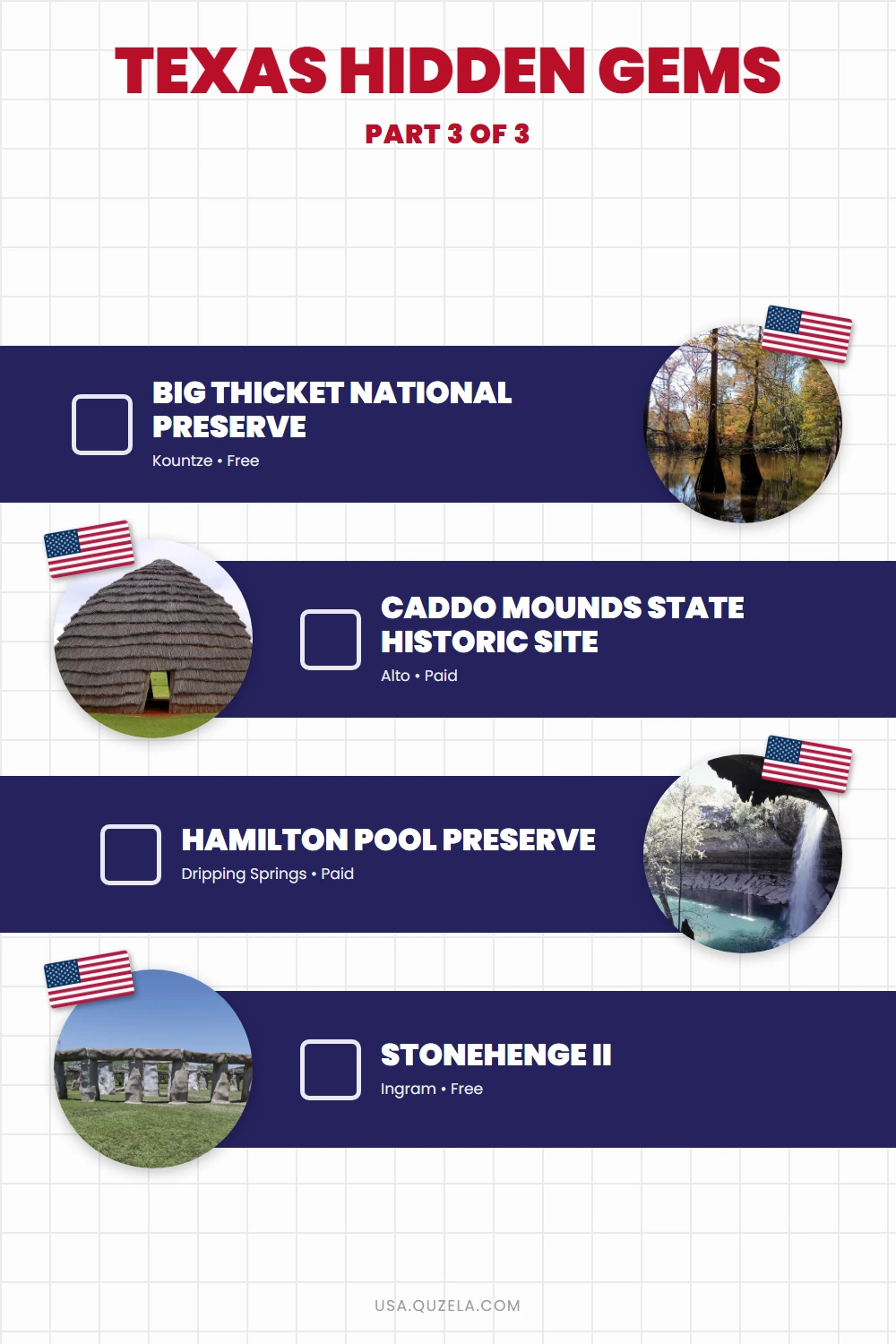
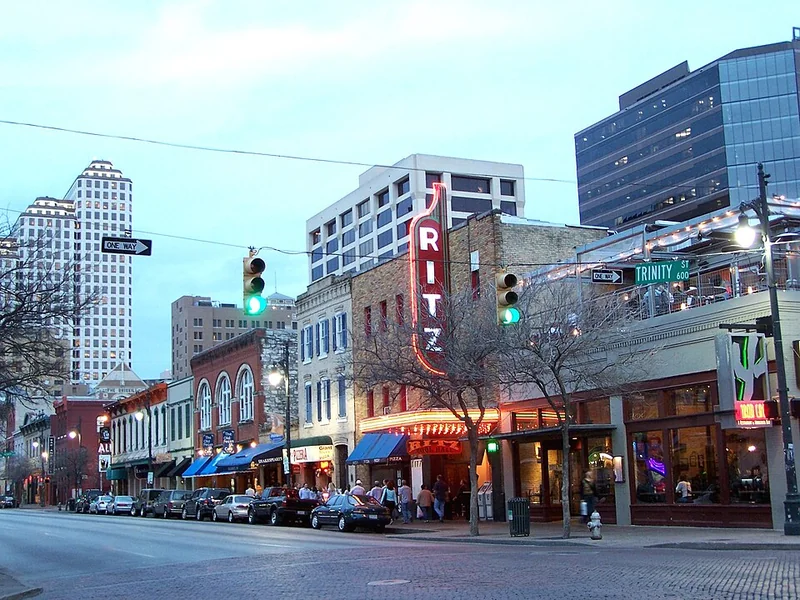
Texas's busiest attractions all cluster along I-35 or near the coast. These 12 stops are different: a canyon system 800 feet deep in the Panhandle, a cypress swamp on the Louisiana border that predates European contact by centuries, a working observatory at 6,791 feet, and a light show nine miles east of Marfa that researchers have documented since the 1880s without a confirmed explanation. The drive times are long — Big Bend is 5 hours from El Paso — but each of these places has no equivalent elsewhere in the state.
12 destinations selected from a curated US travel dataset — prioritized by regional distribution, visitor significance, and independent research. Must-see and Worth-the-detour ratings reflect relative value within Texas.
Jump to: West Texas: Big Bend and the Guadalupe Mountains · Marfa and Fort Davis: Desert Light and the Dark Sky · The Texas Panhandle: Red Rock Country · East Texas: Ancient Forests and Sacred Grounds · Hill Country Off the Wine Trail · Planning Notes
West Texas: Big Bend and the Guadalupe Mountains
West Texas holds two national parks separated by 110 miles, each requiring a full day and a dedicated trip. Neither is on the way to anywhere else — that's exactly the point.
Big Bend National Park Must-see
Brewster County · Study Butte-Terlingua
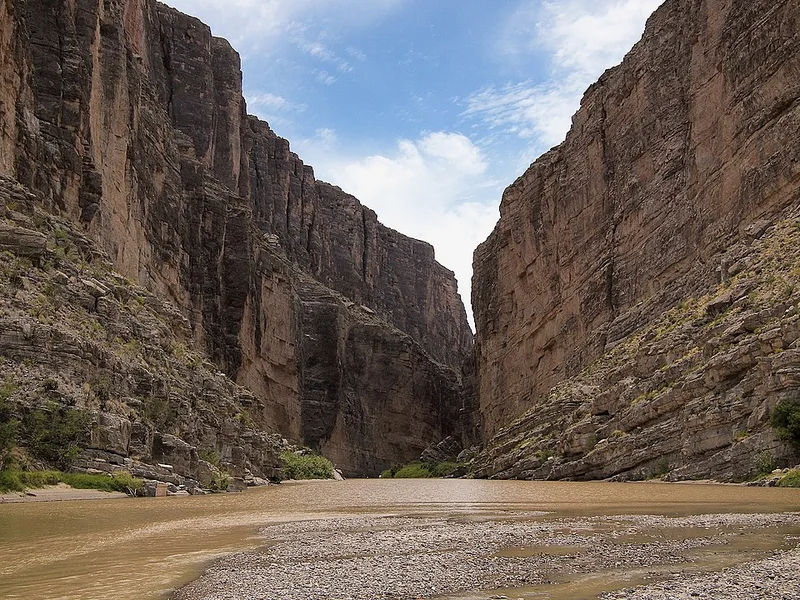
Big Bend protects 801,163 acres of Chihuahuan Desert in southwest Texas, bordered on three sides by the Rio Grande. The park receives under 500,000 visitors per year — fewer than Zion National Park sees in a single month. The Chisos Basin interior sits at 5,400 feet elevation, running 10°F cooler than the desert floor in summer. The Lost Mine Trail (4.8 miles round-trip) reaches canyon views from a 7,500-foot ridgeline. Marathon, 40 miles north on US-385, is the last reliable fuel and food stop before entering the park. Entry is $35 per vehicle.
Watch on YouTube · View on Google Maps
Guadalupe Mountains National Park Must-see
Culberson County · Salt Flat
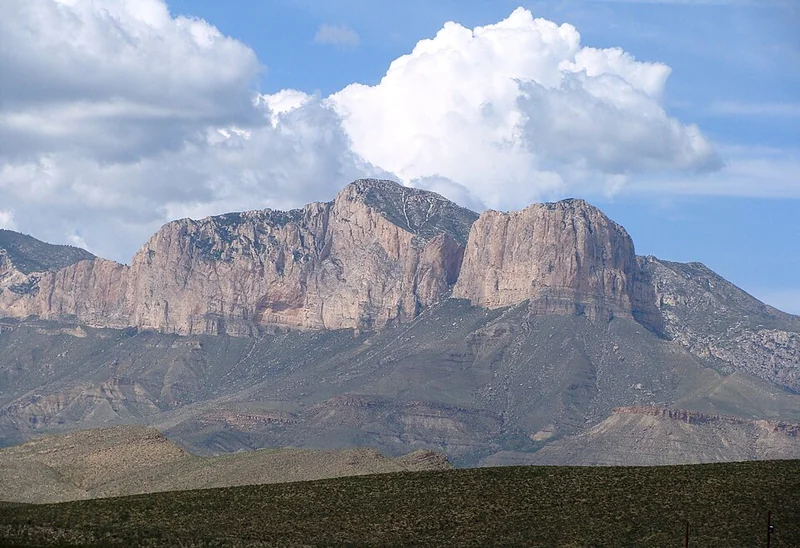
Guadalupe Mountains holds the four highest peaks in Texas, including Guadalupe Peak at 8,751 feet. The summit trail is 8.4 miles round-trip with 3,000 feet of elevation gain — rated strenuous and typically taking 6–8 hours. The park receives under 200,000 visitors per year. Salt Flat, the nearest named town, has no services — fill up in Van Horn, 35 miles west. The park entrance is 110 miles east of El Paso on US-62/180 and sits adjacent to Carlsbad Caverns National Park across the state line in New Mexico. Entry is $25 per vehicle.
Watch on YouTube · View on Google Maps
Marfa and Fort Davis: Desert Light and the Dark Sky
Marfa and Fort Davis sit 26 miles apart in Presidio and Jeff Davis counties. Between them: an unexplained light phenomenon, the American West's best-preserved frontier post, and an observatory running public star programs in the darkest sky zone in Texas.
Marfa Lights Viewing Area Must-see
Presidio County · Marfa
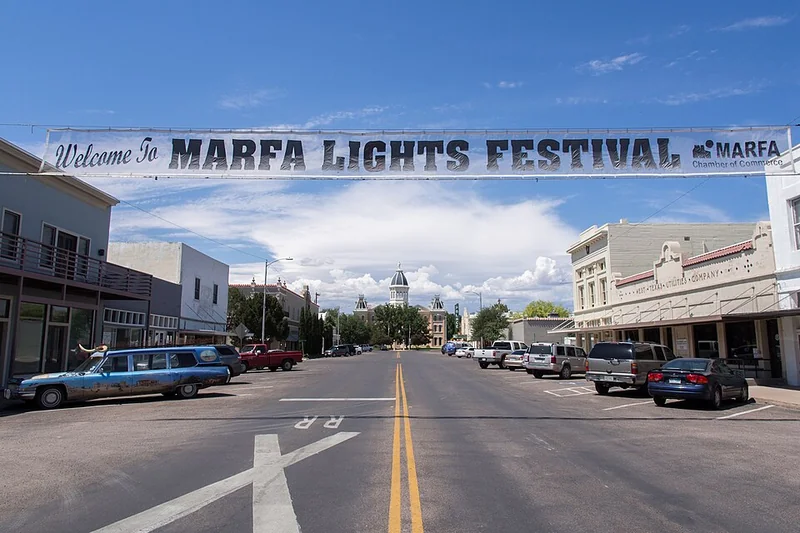
The Marfa Lights Viewing Area is a paved pullout on US-90, nine miles east of Marfa, open every night at no charge. The lights — orbs that hover, split, merge, and fade over Mitchell Flat — have been recorded by observers since the 1880s without a confirmed physical explanation. Theories range from car headlight refraction to atmospheric mirages, but none account for pre-automobile sightings. The viewing area has a shelter, interpretive panels, and an unobstructed desert horizon. The lights are most visible on moonless nights with low humidity. Marfa is 40 minutes south of Alpine.
Watch on YouTube · View on Google Maps
Fort Davis National Historic Site Must-see
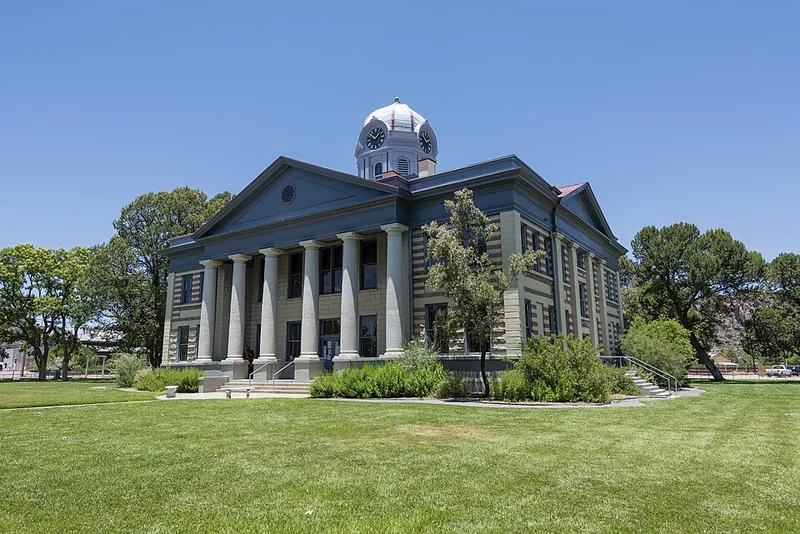
Jeff Davis County · Fort Davis
Fort Davis National Historic Site preserves one of the American West's most complete surviving frontier military posts, active from 1854 to 1891. The fort was a primary base for the Buffalo Soldiers — four African American infantry and cavalry regiments that made up 20% of the Army's frontier force. Fifty stone and adobe structures remain in original condition, including barracks, officers' quarters, and the post hospital. A recorded bugle sequence plays from period-correct locations to simulate the daily military schedule. The site is 4 miles north of Fort Davis on TX-17; entry is $7 per person.
Watch on YouTube · View on Google Maps
McDonald Observatory Must-see
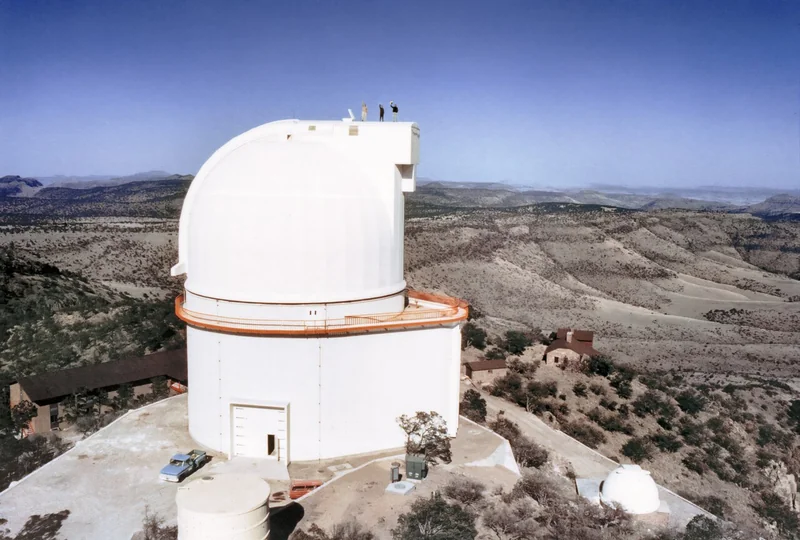
Jeff Davis County · Fort Davis
McDonald Observatory sits at 6,791 feet on Mount Locke in the Davis Mountains, operating the 9.2-meter Hobby-Eberly Telescope with a 91-mirror segmented primary reflector. Daytime visitor center access runs $8 and includes guided dome tours. Star Party programs run three evenings per week with guided telescope viewing sessions for $25 per person. The observatory holds a certified International Dark Sky designation — the mountains' isolation from city light 175 miles in any direction keeps the sky dark enough for professional research. Book Star Party tickets in advance; summer sessions sell out consistently.
Watch on YouTube · View on Google Maps
The Texas Panhandle: Red Rock Country
The Panhandle's flat, treeless reputation conceals a canyon system that drops 800 feet without warning and a history museum with 5 million objects. Both sit 15 miles south of Amarillo in Canyon.
Palo Duro Canyon State Park Must-see
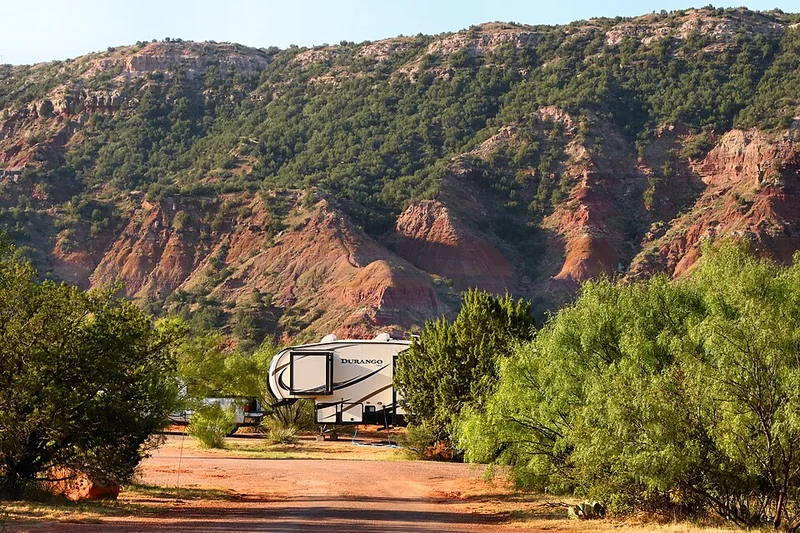
Randall County · Canyon
Palo Duro Canyon is a 120-mile-long, 800-foot-deep system carved by the Prairie Dog Town Fork of the Red River — Texas's answer to the Grand Canyon, located entirely within a flat Panhandle landscape that gives no advance warning of its existence. The state park covers 29,000 acres of the canyon's most accessible section, with a 16-mile paved scenic drive descending to the canyon floor. Trail options range from a 0.8-mile interpretive walk to the 6.3-mile Lighthouse Trail, ending at a 300-foot sandstone pillar. Entry is $8 per person. The park entrance is 12 miles southeast of Canyon on TX-217.
Watch on YouTube · View on Google Maps
Panhandle-Plains Historical Museum Must-see
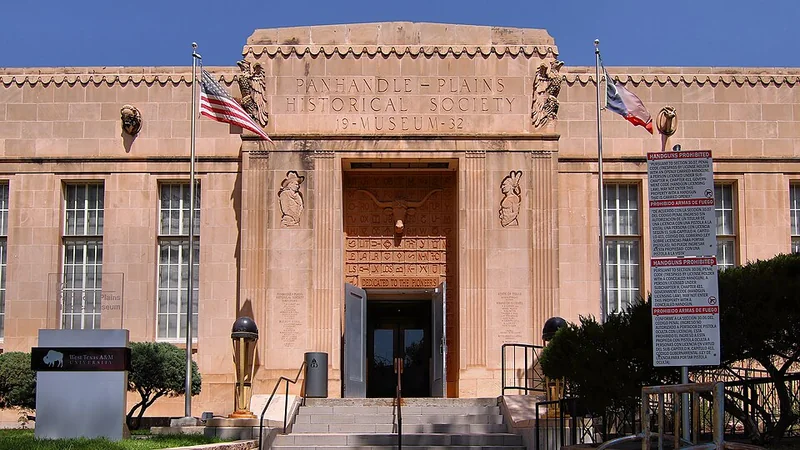
Randall County · Canyon
The Panhandle-Plains Historical Museum at West Texas A&M University holds the largest collection of Texas history and culture in the state — 5 million objects covering Plains Indian civilization, the cattle industry, petroleum history, and Panhandle geology. The Petroleum Wing displays a full working oil derrick inside the building. Admission is $10 for adults. The museum is on 4th Avenue in Canyon, 15 miles south of Amarillo, open Tuesday through Saturday. Allow 2–3 hours; the collection runs through multiple galleries and an outdoor exhibit area.
Watch on YouTube · View on Google Maps
USA Travel Planner — Google Sheets
One purchase. Every US state. Forever.
A pre-filled travel dashboard for every US state — we are actively building them out.
- 75+ curated attractions — pre-researched for you
- Built-in budget tracker (countdown, expenses, remaining)
- Step-by-step planning tabs
- Buy once — get all future states free as they launch
East Texas: Ancient Forests and Sacred Grounds
East Texas holds three stops that don't fit any standard Texas itinerary: a bayou lake covered in Spanish moss, a forest preserve where four ecosystems converge, and the southwestern-most ceremonial mound complex in the United States.
Caddo Lake State Park Must-see
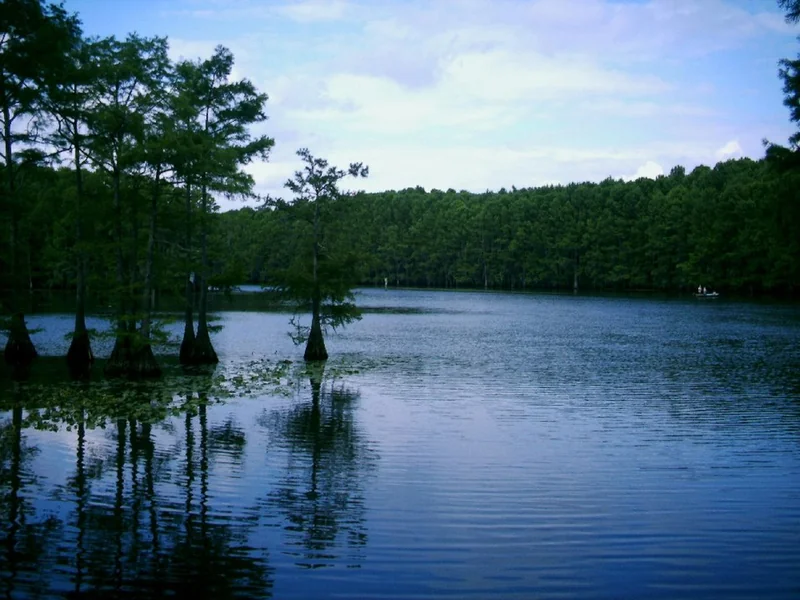
Harrison County · Karnack
Caddo Lake is a 25,400-acre cypress swamp on the Texas-Louisiana border — the only large naturally formed lake in Texas. The lake's backwater bayous run under a bald cypress canopy draped in Spanish moss, with knobbed tree roots rising from standing water throughout. Caddo Lake State Park covers the western shore with canoe rentals, fishing piers, and 8 miles of hiking trails. Reserve a canoe through the park reservation system before arriving — weekend availability drops consistently from April through September. The park entrance is in Karnack on TX-43, about 10 miles from Marshall.
Watch on YouTube · View on Google Maps
Big Thicket National Preserve Must-see
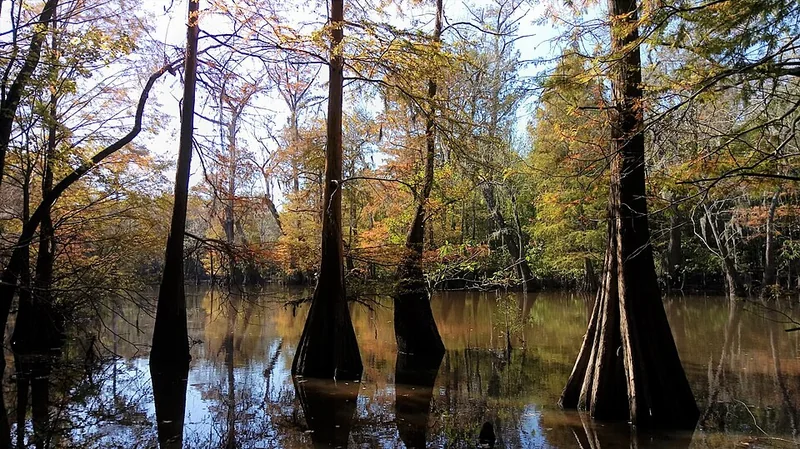
Hardin County · Kountze
Big Thicket National Preserve covers 113,000 acres where longleaf pine forest, cypress swamp, palmetto grove, and open prairie converge within a few miles of each other — an ecosystem overlap found nowhere else in North America. The preserve holds over 40 species of wild orchids and four species of carnivorous plants, including pitcher plants and sundews. Entry is free year-round. The Kirby Nature Trail (2.4 miles) walks through multiple vegetation zones in a single loop. The visitor center near Kountze is 90 miles northeast of Houston on US-69. Mosquito repellent is essential from April through October.
Watch on YouTube · View on Google Maps
Caddo Mounds State Historic Site Must-see
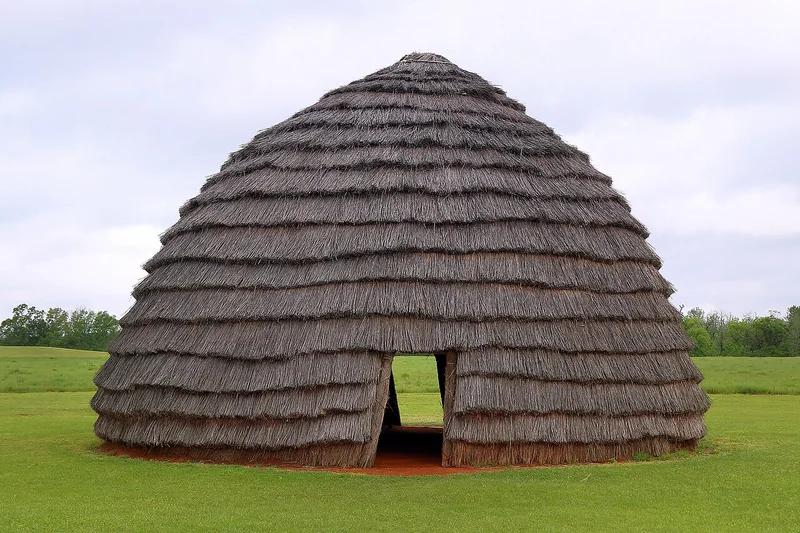
Cherokee County · Alto
Caddo Mounds State Historic Site preserves three earthen mounds built by the Caddo people between 800 and 1300 CE — the southwestern-most ceremonial center of the Mound Builder culture in the United States. Two mounds served ceremonial functions; the third is a burial mound. A reconstructed Caddo house on the grounds demonstrates the architecture and daily life of the civilization that occupied this site for 500 years before European contact. Admission is $4 per person. The site is in Alto on TX-21 in Cherokee County, about 150 miles northeast of Austin.
Watch on YouTube · View on Google Maps
Hill Country Off the Wine Trail
Two Hill Country stops that most visitors driving to Fredericksburg miss — one requires a permit and a 30-mile detour west of Austin, the other sits off TX-27 in Ingram and takes 20 minutes.
Hamilton Pool Preserve Must-see
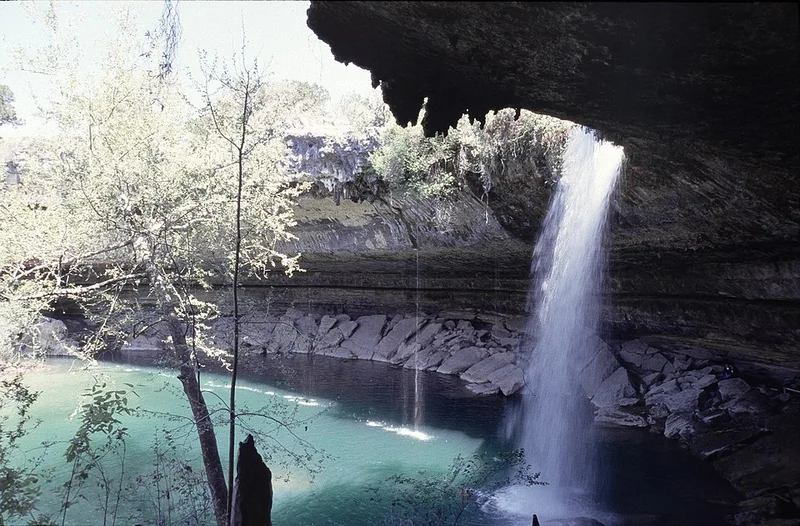
Travis County · Dripping Springs
Hamilton Pool formed approximately 10,000 years ago when an underground river's roof collapsed, leaving a jade-green swimming pool fed by a 50-foot waterfall at the base of a limestone grotto draped in maidenhair fern. The pool sits 30 miles west of Austin — a 35-minute drive that keeps attendance far lower than Austin's in-city parks. Book a timed-entry permit at Travis County Parks before your visit; slots fill within hours of opening from May through September. Swimming is allowed when bacteria levels pass county water quality testing, posted daily on the permit reservation page.
Watch on YouTube · View on Google Maps
Stonehenge II Must-see
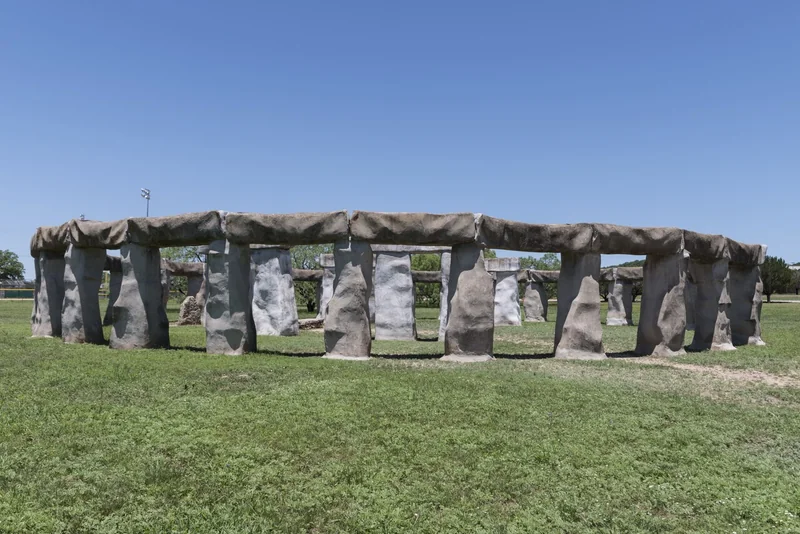
Kerr County · Ingram
Stonehenge II was built on a private Ingram ranch in 1989 by landowner Al Shepperd and artist Doug Hill using rebar, chicken wire, and plaster — a 90% scale replica of the Wiltshire monument, flanked by two Easter Island–style moai heads also constructed by Hill. The installation moved from its original ranch location to the Hill Country Arts Foundation grounds in Ingram in 2010. The Foundation grounds off TX-27 are open during daylight hours at no charge. The stop takes 20 minutes on foot, and the installation is freely signposted from downtown Ingram.
Watch on YouTube · View on Google Maps
Planning Notes
Plan your visit: City guides for the two stops with the most logistical planning: Things to Do in Fort Davis and Things to Do in Canyon.