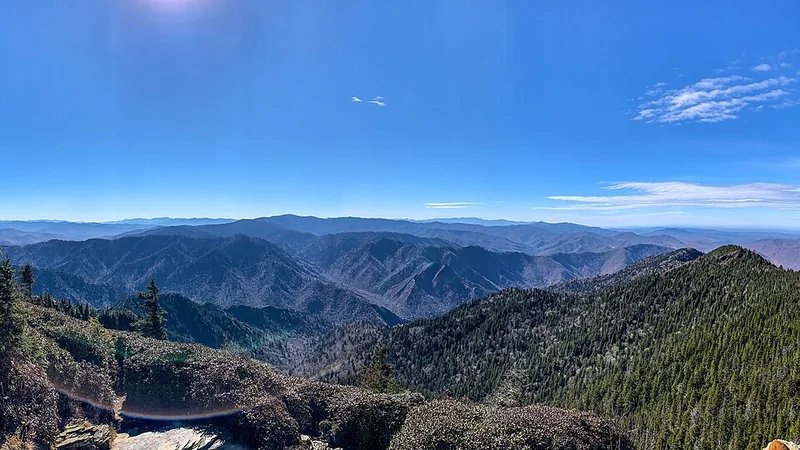
Tennessee's spiritual landscape runs from the literal to the metaphorical. The Cumberland Plateau and river valleys hold Native American ceremonial sites ranging from 2,000 to 10,000 years old. The state's oldest town preserves the ruins of an independent republic that predated Tennessee itself.
Six sites below cover the full range of Tennessee's sacred geography.
6 destinations selected from a curated US travel dataset — prioritized by regional distribution, visitor significance, and independent research. Must-see and Worth-the-detour ratings reflect relative value within Tennessee.
Jump to: Native American Sacred Sites · East Tennessee · Planning Notes
Native American Sacred Sites
Tennessee's river valleys and plateau were inhabited by successive Native American cultures for at least 12,000 years. Several major ceremonial centers survive.
Pinson Mounds State Archaeological Park Worth the detour
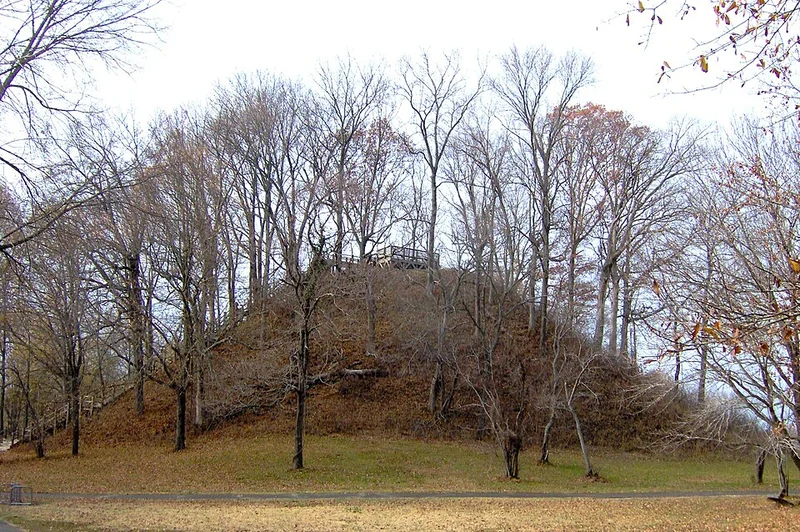
Madison County · Jackson
A 400-acre complex of 17 Native American earthen mounds built during the Middle Woodland period (200 BC – 500 AD). Sauls Mound, the central structure, stands 72 feet — the second-tallest prehistoric earthwork in North America after Monks Mound in Illinois. The complex's purpose was ceremonial and funerary; no village or residential area has been identified.
A free museum on-site interprets the builders, whom archaeologists identify as part of the Hopewell cultural tradition. 6 miles of walking trails connect the mound complex. Located just south of Jackson, 85 miles east of Memphis.
Watch on YouTube · View on Google Maps
Old Stone Fort State Archaeological Park Worth the detour
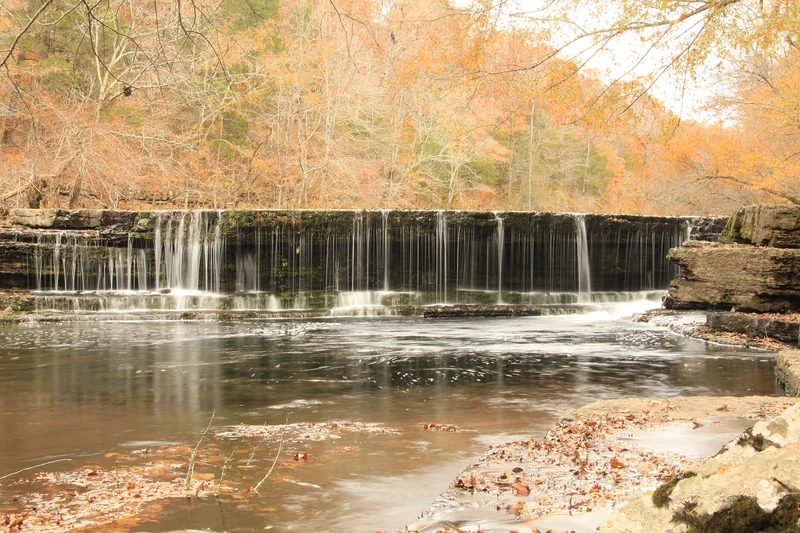
Coffee County · Manchester
An enclosure of stone and earthen walls built at the confluence of the Duck and Little Duck rivers over a period of 500 years (100 BC – 400 AD) by Native American builders of unknown cultural affiliation. The site covers 50 acres; the walls — up to 6 feet high and 4 feet wide — define a ceremonial precinct used for over four centuries. Early European settlers mistook the structure for a fort, giving it its misleading name.
The park includes a waterfall and 2-mile walking loop around the perimeter. Free museum on-site. Located in Manchester, 60 miles southeast of Nashville, easily combined with a drive through the Tennessee Walking Horse country.
Watch on YouTube · View on Google Maps
Moccasin Bend National Archaeological District Worth the detour
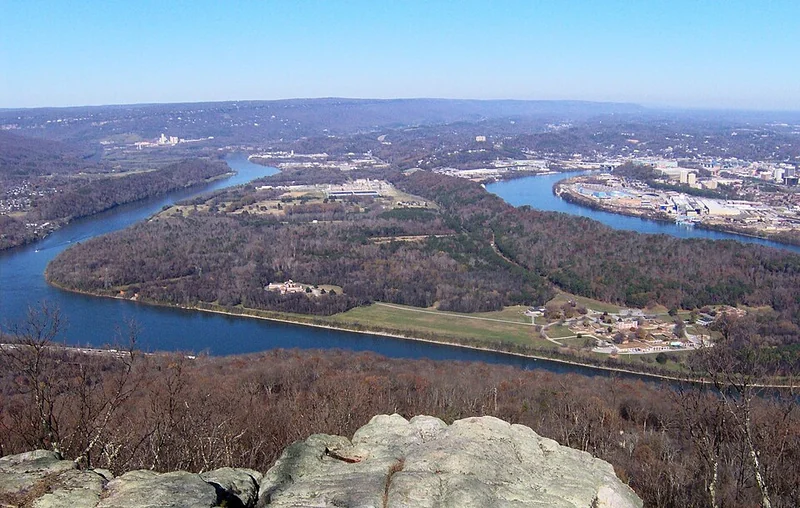
Hamilton County · Chattanooga
A river bend on the Tennessee River below Lookout Mountain with documented human occupation spanning 10,000 years — Paleo-Indian, Archaic, Woodland, Mississippian, and Cherokee periods are all represented in the archaeological record. The site is a unit of Chickamauga and Chattanooga National Military Park.
Moccasin Bend served as the primary Cherokee settlement in the Chattanooga area before the Trail of Tears. The landscape itself — the river bend, the mountain above, the floodplain — helps explain why the location was continuously inhabited across so many cultures.
Watch on YouTube · View on Google Maps
Sycamore Shoals State Historic Area Worth the detour
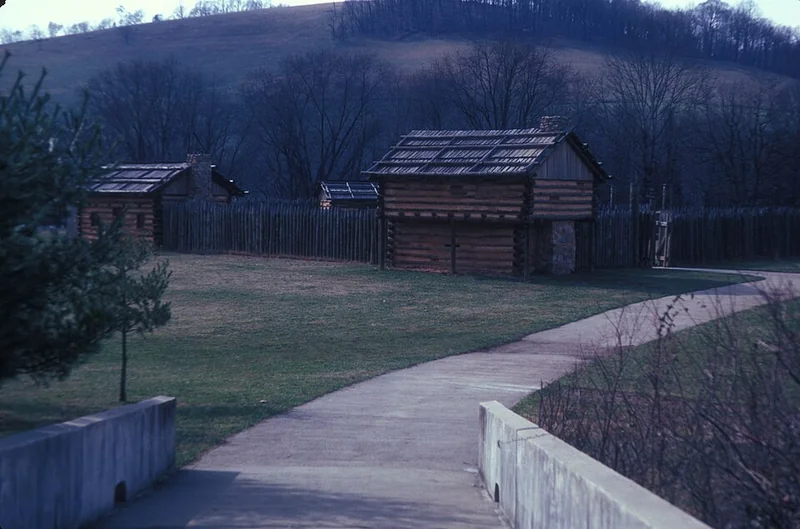
Carter County · Elizabethton
The site of the first permanent American settlement outside the original 13 colonies (1772) and the staging ground where 1,000 Overmountain Men assembled in 1780 to march to King's Mountain, where they defeated a British force and changed the course of the Revolutionary War. The Cherokee called this stretch of the Watauga River the "Long Island of the Holston" — a sacred gathering place for generations before European settlement.
A reconstructed fort and interpretive center are free. Sycamore Shoals carries the weight of both the Cherokee world it displaced and the American frontier tradition it inaugurated — an unusually layered historic site.
Watch on YouTube · View on Google Maps
USA Travel Planner — Google Sheets
One purchase. Every US state. Forever.
A pre-filled travel dashboard for every US state — we are actively building them out.
- 75+ curated attractions — pre-researched for you
- Built-in budget tracker (countdown, expenses, remaining)
- Step-by-step planning tabs
- Buy once — get all future states free as they launch
East Tennessee
Historic Jonesborough (Tennessee's Oldest Town) Worth the detour
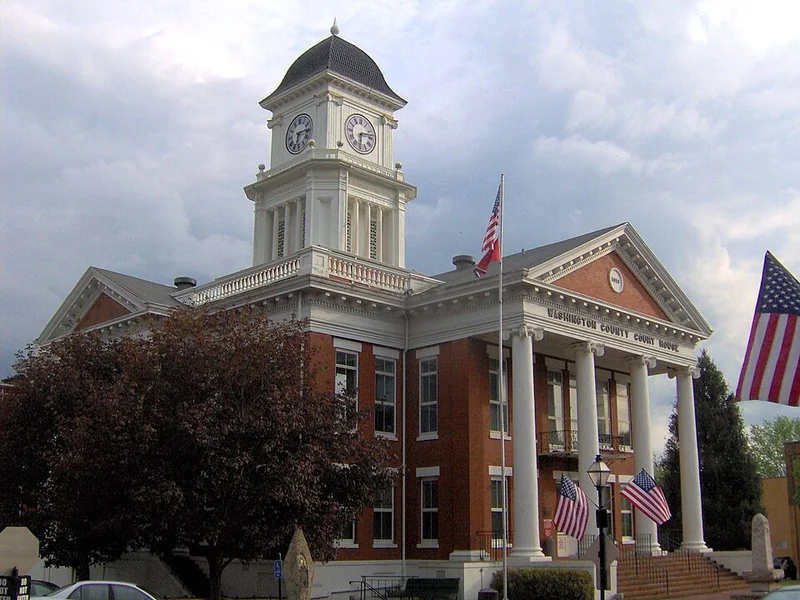
Washington County · Jonesborough
Founded in 1779 on the Holston River frontier, Jonesborough predates Tennessee statehood by 17 years and briefly served as the capital of the State of Franklin (1784–1788) — an independent republic that formed between the Revolutionary War and Tennessee's formal admission to the Union. The main street preserves a continuous run of 18th and 19th-century buildings — courthouse, tavern, and commercial facades — largely unaltered from the frontier era.
Andrew Jackson tried his first legal cases here. The National Storytelling Festival, held every October, draws 10,000 people to Jonesborough's streets for the oldest and most prominent storytelling event in the US. Free to walk; the History Museum charges admission.
Watch on YouTube · View on Google Maps
Meriwether Lewis Monument (Natchez Trace) Worth the detour
Lewis County · Hohenwald
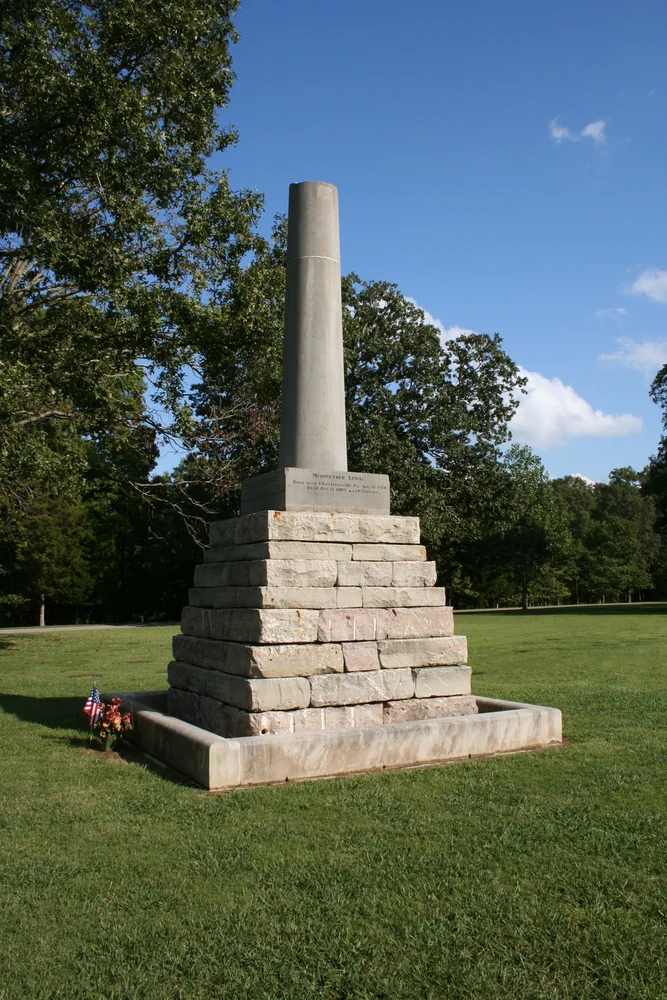
The gravesite and monument of Meriwether Lewis — co-leader of the Lewis and Clark Expedition — on the Natchez Trace Parkway in Lewis County, named for him. Lewis died here in 1809 at Grinder's Inn under disputed circumstances: officially ruled a suicide, though historians have argued for murder. A broken column monument, symbolizing a life cut short, marks the grave.
The site is a unit of the Natchez Trace Parkway National Scenic Byway — free to visit, maintained by the National Park Service. The Trace itself runs 444 miles from Nashville to Natchez, Mississippi — a National Scenic Byway with no commercial development or billboards along its length.
Watch on YouTube · View on Google Maps
Planning Notes
Natchez Trace connection: Three of these sites sit on or near the Natchez Trace Parkway: the Meriwether Lewis monument, Old Stone Fort (nearby), and the general Middle Tennessee corridor. The Trace is a National Scenic Byway with no commercial development — driving it is itself a meditative experience.
Plan your visit: Explore city guides for every destination in this article: Chattanooga.